The Becontree Estate remains the defining feature of Dagenham's urban landscape, a century after construction began on what became the largest public housing estate in the world.
Origins of the Estate
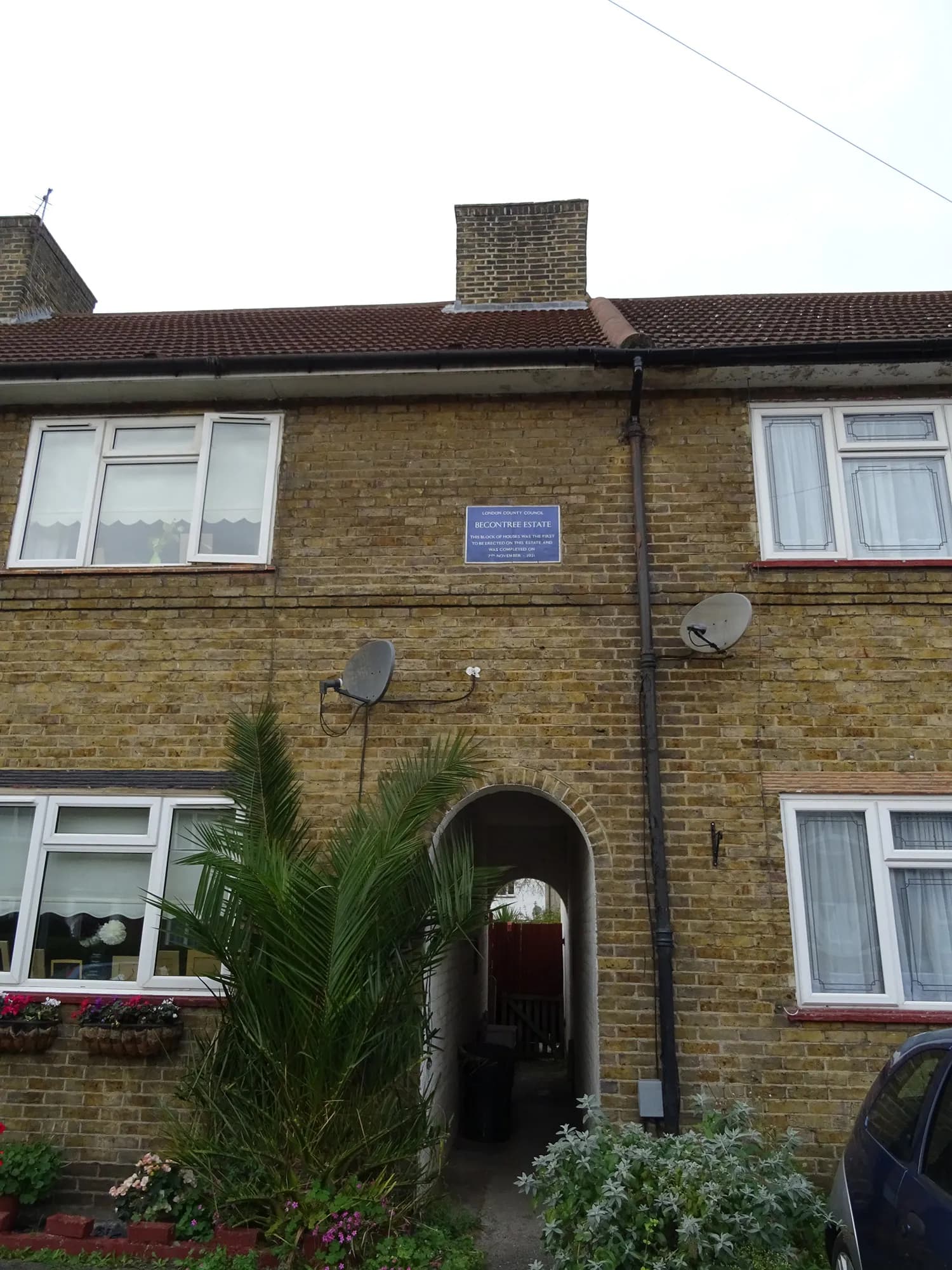
The London County Council began building the Becontree Estate in 1921 as part of a programme to provide "homes fit for heroes" returning from the First World War. The first houses completed were at 22-28 Chittys Lane, finished on 7 November 1921. A plaque at this location marks the beginning of a development that would eventually transform Dagenham from a scattered collection of villages into a major London suburb.
Between 1921 and 1934, the council constructed 25,000 homes on the estate. An additional 2,000 homes were built before the Second World War. The scale of the project was unprecedented; at completion, the Becontree Estate was the largest council housing estate in the world.
Housing Standards of the Era
The homes built on the estate represented a significant improvement in living standards for working-class Londoners. Each property was equipped with gas, water, and electricity, along with indoor toilets and bathrooms; amenities that were far from universal in the early 1920s. The houses were almost universally pebble-dashed to cover the underlying brickwork.
Among the earliest structures were the so-called "wooden houses" on the estate. These Swedish chalet-style buildings were originally erected as road markers and accommodation for overseers, managers, and foremen of the construction project. Although intended for demolition once the estate was complete, they were retained and remain the oldest houses on the Becontree Estate.
Valence House: A Link to Dagenham's Past
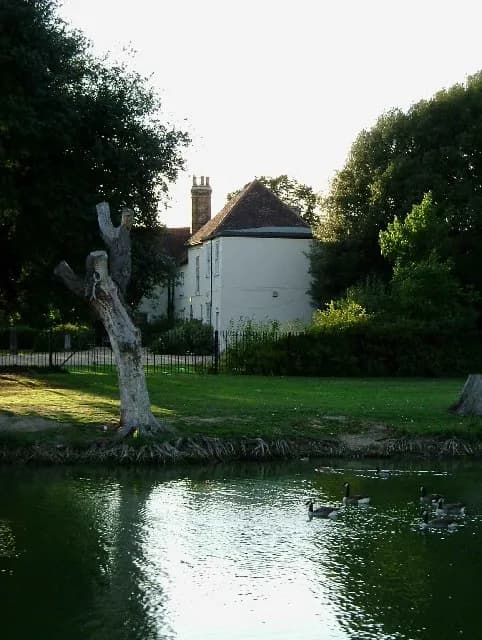
While the estate largely replaced Dagenham's older buildings, Valence House survived as a physical link to the area's earlier history. The building, which now operates as a museum, was named after Agnes de Valance, who lived on the site in the thirteenth century. Parts of the present structure date from the fifteenth century. The house served as estate management offices during the construction of Becontree before opening as a museum in 1938.
The Estate Today
Much of the Becontree Estate has since been sold under right-to-buy legislation, transferring properties from council ownership to private hands. The area remains characterised by its inter-war housing stock, with streets laid out in a distinctive pattern that reflects the planning principles of the 1920s and 1930s.
The estate's development established Dagenham as a residential centre and laid the groundwork for the area's subsequent growth, including its expansion as an industrial hub with the nearby Ford Dagenham plant.